 -38%
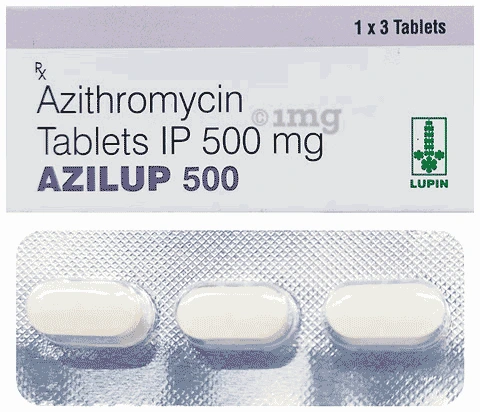
-38%Azilup 500 mg tablet
Azilup Azithromycin 500mg Tablet contains azithromycin, a macrolide antibiotic used to treat certain bacterial infections. It works by interfering with bacterial protein production, preventing susceptible bacteria from growing and multiplying
Description
Azithromycin is prescribed for a range of bacterial infections affecting the respiratory system, ears, throat, skin and other parts of the body. It may also be prescribed for certain sexually transmitted bacterial infections when clinically appropriate.
Antibiotics such as azithromycin are not effective against viral infections, including common colds and influenza.
Azilup 500mg Tablet – Key Information
- Product: Azilup Azithromycin 500mg Tablet
- Active ingredient: Azithromycin
- Strength: 500mg
- Medicine type: Antibiotic
- Antibiotic class: Macrolide
- Dosage form: Oral tablet
- Common use: Certain bacterial infections
- Target markets: USA, UK and Australia
Azilup Azithromycin Uses
Azithromycin may be prescribed for certain bacterial infections, depending on the diagnosis and local treatment guidelines.
Potential uses include:
- Certain respiratory tract infections
- Certain throat infections
- Certain ear infections
- Certain sinus infections
- Certain skin and soft-tissue infections
- Certain sexually transmitted bacterial infections
- Other susceptible bacterial infections
The exact indication depends on the bacteria involved, the location of the infection and the patient’s medical circumstances.
Azithromycin 500mg for Bacterial Infections
Azithromycin 500mg is an established antibiotic treatment for certain susceptible bacterial infections.
Azithromycin works against susceptible bacteria by binding to bacterial ribosomes and interfering with protein synthesis. This inhibits bacterial growth.
The choice of antibiotic should be based on the suspected or confirmed infection and current local antibiotic-resistance patterns.
How Does Azilup Azithromycin Work?
Azithromycin belongs to the macrolide family of antibiotics.
After administration, azithromycin binds to the 50S subunit of susceptible bacterial ribosomes. This interferes with bacterial protein synthesis and prevents bacteria from growing and multiplying.
Azithromycin does not treat infections caused by viruses. Taking antibiotics when they are not needed can contribute to antibiotic resistance.
Azithromycin 500mg Dosage
The appropriate azithromycin dose and treatment duration depend on the type of bacterial infection being treated.
Some infections may be treated with a short course of azithromycin, while other conditions require different dosing schedules.
Do not assume that one 500mg tablet is the correct treatment for every infection. Follow the prescription provided by your doctor or pharmacist.
Take the medicine for the complete duration prescribed, even if symptoms improve earlier, unless your healthcare professional tells you otherwise.
How to Take Azilup 500mg Tablet
Take Azilup exactly as prescribed.
The tablet can generally be taken with or without food, although specific product instructions should be followed.
Swallow the tablet with water and try to take doses at approximately the same time each day when multiple doses are prescribed.
If you miss a dose, follow the instructions provided by your healthcare professional. Do not take an extra dose to compensate unless specifically advised.
Azithromycin for Respiratory Infections
Azithromycin may be prescribed for certain bacterial respiratory infections, including selected infections involving the throat, lungs or other parts of the respiratory tract.
However, many respiratory illnesses are caused by viruses and do not benefit from antibiotics.
A healthcare professional should determine whether an infection is bacterial and whether azithromycin is an appropriate treatment.
Azithromycin for Throat and Ear Infections
Azithromycin may be used for certain bacterial infections affecting the throat or middle ear when the causative bacteria are susceptible.
The appropriate antibiotic depends on the diagnosis, patient factors, allergies and local treatment recommendations.
Azithromycin and Sexually Transmitted Infections
Azithromycin has been used for certain sexually transmitted bacterial infections in specific circumstances.
Treatment recommendations vary by infection and country and can change as antibiotic resistance patterns evolve. Do not self-treat a suspected sexually transmitted infection without appropriate testing and medical advice.
Important Safety Information
Before taking Azilup, tell your doctor or pharmacist if you:
- Have previously experienced an allergic reaction to azithromycin or other macrolide antibiotics
- Have liver problems
- Have heart rhythm problems
- Have low potassium or magnesium levels
- Take medicines that can affect heart rhythm
- Are pregnant or breastfeeding
- Take other prescription or non-prescription medicines
Azithromycin can affect heart rhythm in susceptible individuals and may interact with certain medicines.
Possible Side Effects
Common side effects of azithromycin can include:
- Nausea
- Diarrhoea
- Vomiting
- Abdominal discomfort
- Headache
Seek medical attention for severe or persistent diarrhoea, signs of a serious allergic reaction, severe skin reactions, fainting, palpitations or other serious symptoms.
Antibiotic Resistance
Azithromycin should only be used when there is an appropriate indication.
Unnecessary or incorrect use of antibiotics can contribute to antibiotic resistance, making bacterial infections more difficult to treat.
Do not share antibiotics with other people or use leftover antibiotics from a previous illness.
Pregnancy and Breastfeeding
If you are pregnant, planning pregnancy or breastfeeding, consult your healthcare professional before taking azithromycin.
Your doctor can determine whether azithromycin is appropriate for your specific circumstances.
Azithromycin Drug Interactions
Tell your doctor or pharmacist about all medicines you take, including prescription medicines, over-the-counter products, vitamins and supplements.
Particular attention may be required if you take medicines that can affect heart rhythm or medicines that interact with azithromycin.
Buy Azilup Azithromycin 500mg Tablet Online
Customers searching for Azilup Azithromycin 500mg Tablet, Azilup 500mg, azithromycin 500mg tablets, generic azithromycin, macrolide antibiotic, antibiotic tablets, or bacterial infection treatment can find relevant product information through RxImpex.
Customers in the USA, UK and Australia should check local medicine regulations and prescription requirements before purchasing antibiotics online.
Azithromycin is a prescription antibiotic in many markets and should be used only when appropriate for a bacterial infection.
Azilup Azithromycin 500mg Tablet contains azithromycin, a macrolide antibiotic used to treat certain susceptible bacterial infections. Depending on the diagnosis, azithromycin may be prescribed for selected respiratory, throat, ear, skin and other bacterial infections.
Azithromycin 500mg works by interfering with bacterial protein synthesis, helping prevent susceptible bacteria from growing and multiplying. It is not effective against viral infections such as the common cold or influenza.