 -63%
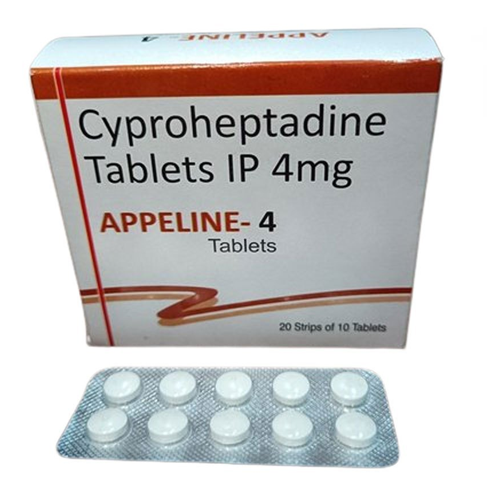
-63%Periactin 4mg Tablets
Periactin 4mg Tablets contain cyproheptadine hydrochloride 4 mg, an antihistamine with antiserotonergic properties. Cyproheptadine works by blocking the effects of histamine and serotonin at their respective receptor sites and may be used for the management of certain allergic conditions.
Description
Cyproheptadine 4mg tablets are intended for oral administration and are available as prescription medicine in the United States.
What Are Periactin 4mg Tablets?
Periactin is a brand associated with cyproheptadine, while cyproheptadine hydrochloride is the active pharmaceutical ingredient. Each tablet contains 4 mg of cyproheptadine hydrochloride.
Cyproheptadine belongs to the antihistamine class and also has antiserotonergic activity. It can help reduce symptoms caused by histamine-mediated allergic reactions.
Uses of Cyproheptadine 4mg
Cyproheptadine may be used under medical supervision for certain allergic conditions, including:
- Seasonal allergic rhinitis
- Perennial allergic rhinitis
- Allergic conjunctivitis
- Acute manifestations of urticaria
- Other allergic skin conditions
- Certain allergic reactions where an antihistamine is indicated
The exact indication and suitability depend on the patient’s condition and the applicable product labeling.
How Does Cyproheptadine Work?
Cyproheptadine acts as an H1 antihistamine and serotonin antagonist. It competes with histamine and serotonin at receptor sites, helping reduce the effects of these substances in the body. It also has anticholinergic and sedative properties.
Key Product Information
| Product | Periactin 4mg Tablets |
|---|---|
| Active Ingredient | Cyproheptadine Hydrochloride |
| Strength | 4 mg |
| Dosage Form | Tablet |
| Route | Oral |
| Drug Class | Antihistamine / Antiserotonergic agent |
| Main Uses | Certain allergic conditions |
Current U.S. cyproheptadine labeling confirms that the oral tablet contains 4 mg of cyproheptadine hydrochloride.
Dosage and Administration
The appropriate dose of cyproheptadine should be individualized according to the patient’s age, medical condition, response to treatment, and healthcare professional’s instructions.
Do not increase the dose or frequency without medical advice. The product should be taken exactly as prescribed or according to the applicable product labeling.
Because cyproheptadine can cause drowsiness and sedation, patients should understand how the medicine affects them before driving, operating machinery, or performing activities requiring alertness.
Possible Side Effects
Cyproheptadine can cause side effects. Because it has antihistaminic, anticholinergic, and sedative properties, possible effects may include:
- Drowsiness
- Sedation
- Dizziness
- Dry mouth
- Headache
- Gastrointestinal discomfort
- Blurred vision
- Difficulty urinating
Not everyone experiences side effects. Contact a healthcare professional if side effects are persistent, severe, or concerning.
Warnings and Precautions
Cyproheptadine should be used with appropriate medical guidance. Tell your doctor if you have:
- Glaucoma
- Asthma or other breathing problems
- Urinary retention or prostate problems
- Cardiovascular disease
- High blood pressure
- Liver or kidney problems
- Any known drug allergies
Cyproheptadine has sedative and anticholinergic effects, so additional caution may be required when it is used with other medicines that cause drowsiness or have anticholinergic properties.
Drug Interactions
Tell your doctor or pharmacist about all medicines, vitamins, and supplements you take.
Particular caution may be appropriate when combining cyproheptadine with:
- Alcohol
- Sedatives
- Sleeping medicines
- Opioid medicines
- Other antihistamines
- Medicines with anticholinergic effects
- Other central nervous system depressants
Combining medicines that cause sedation may increase drowsiness and impair alertness.
Pregnancy and Breastfeeding
If you are pregnant, planning to become pregnant, or breastfeeding, consult a qualified healthcare professional before using cyproheptadine.
A healthcare professional can assess the potential benefits and risks based on your individual circumstances.
Storage
Store cyproheptadine tablets according to the manufacturer’s labeled instructions. Current U.S. labeling for several cyproheptadine 4mg tablet products specifies storage at 20°C to 25°C (68°F to 77°F) under controlled room-temperature conditions.
Keep the medicine:
- In a safe, dry location
- Away from excessive heat and moisture
- Out of reach of children
- In its original packaging when appropriate
- Within the stated expiration date
Frequently Asked Questions
What are Periactin 4mg Tablets?
Periactin is a brand associated with cyproheptadine. Cyproheptadine hydrochloride 4mg tablets contain an antihistamine with antiserotonergic activity and are used for certain allergic conditions.
What is the active ingredient in Periactin?
The active ingredient is cyproheptadine hydrochloride.
What is cyproheptadine 4mg used for?
Cyproheptadine may be used for certain allergic conditions, including allergic rhinitis and urticaria, according to the applicable prescribing information.
Does cyproheptadine cause drowsiness?
Yes. Cyproheptadine has sedative properties and may cause drowsiness or reduced alertness.
Is Periactin the same as cyproheptadine?
Periactin is a brand name associated with cyproheptadine, while cyproheptadine hydrochloride is the active ingredient.
How should Periactin 4mg be taken?
Take cyproheptadine exactly as directed by your doctor or pharmacist. Dosage should be individualized according to the patient’s needs and response.
Important Safety Information
This information is provided for educational purposes and does not replace the official product labeling or advice from a qualified healthcare professional.
Cyproheptadine is a prescription medicine in the United States. Use it only as directed by a healthcare professional. Do not change the dose or use it for a condition for which it has not been recommended.
Product formulation, manufacturer, packaging, regulatory status, availability, and dispensing requirements may vary by country.
Related products
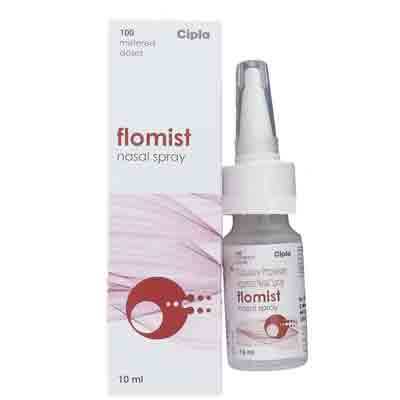
Flonase Nasal Spray